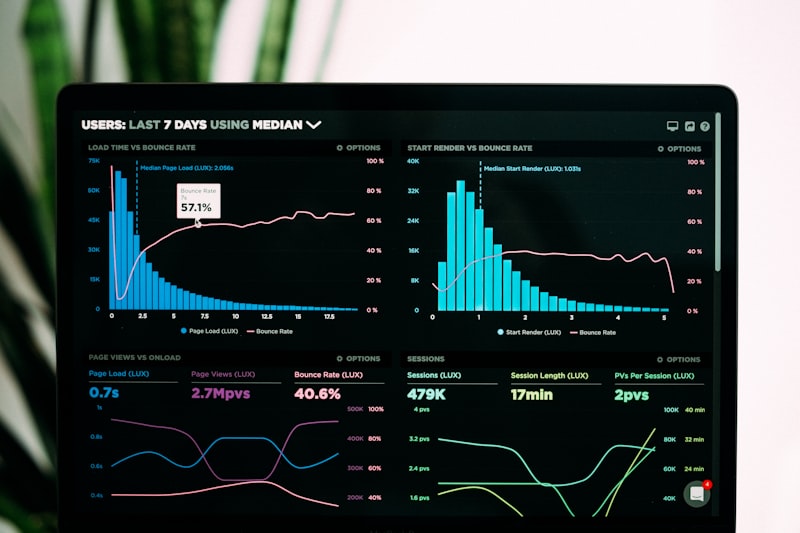
Supply chain disruption over the past several years taught one brutal lesson: the companies with AI-powered visibility and forecasting recovered faster, lost less, and gained market share from competitors who were flying blind. In 2026, that lesson has translated into aggressive AI deployment across logistics and supply chain operations globally.
The numbers tell the story clearly: 87% of enterprises now use AI for demand forecasting, achieving a 35%+ improvement in forecast accuracy. 67% report a 28% drop in stockout events through AI-based inventory management. These are not incremental gains, they are structural advantages that reshape cost structures and customer service levels simultaneously.
1. Demand Forecasting: Knowing What's Coming Before It Arrives
Traditional demand forecasting relies on historical sales data and seasonal adjustments. AI forecasting systems integrate a far broader signal set: social media trends, weather forecasts, economic indicators, competitor pricing, local events, and real-time sell-through data from store networks. The result is a fundamentally more accurate picture of demand, particularly for volatile SKUs and during promotional periods.
AI-enabled supply chains experience a 35% average reduction in inventory levels while simultaneously improving service levels by 65%. Less capital tied up in stock, fewer stockouts, achieved at the same time, not as a trade-off.
2. Route Optimisation and Last-Mile Delivery
AI route optimisation goes beyond finding the shortest path. It factors in real-time traffic, driver hours, vehicle capacity, delivery time windows, fuel costs, and carbon targets simultaneously, continuously re-routing as conditions change. For businesses managing delivery fleets in Indonesian cities, where traffic conditions change dramatically hour by hour, this is particularly high-value.
A national retail chain deploying AI route optimisation cut delivery times by 18% and saved over $200,000 annually in fuel and labour costs. Better routing also reduces vehicle wear and driver fatigue, both of which have downstream costs that are easy to overlook.
For logistics businesses operating in Greater Jakarta, Surabaya, or Medan, AI route optimisation typically delivers 12-20% fuel savings in the first 90 days, often covering the full system cost within the same period.
3. Warehouse Automation and Intelligent Picking
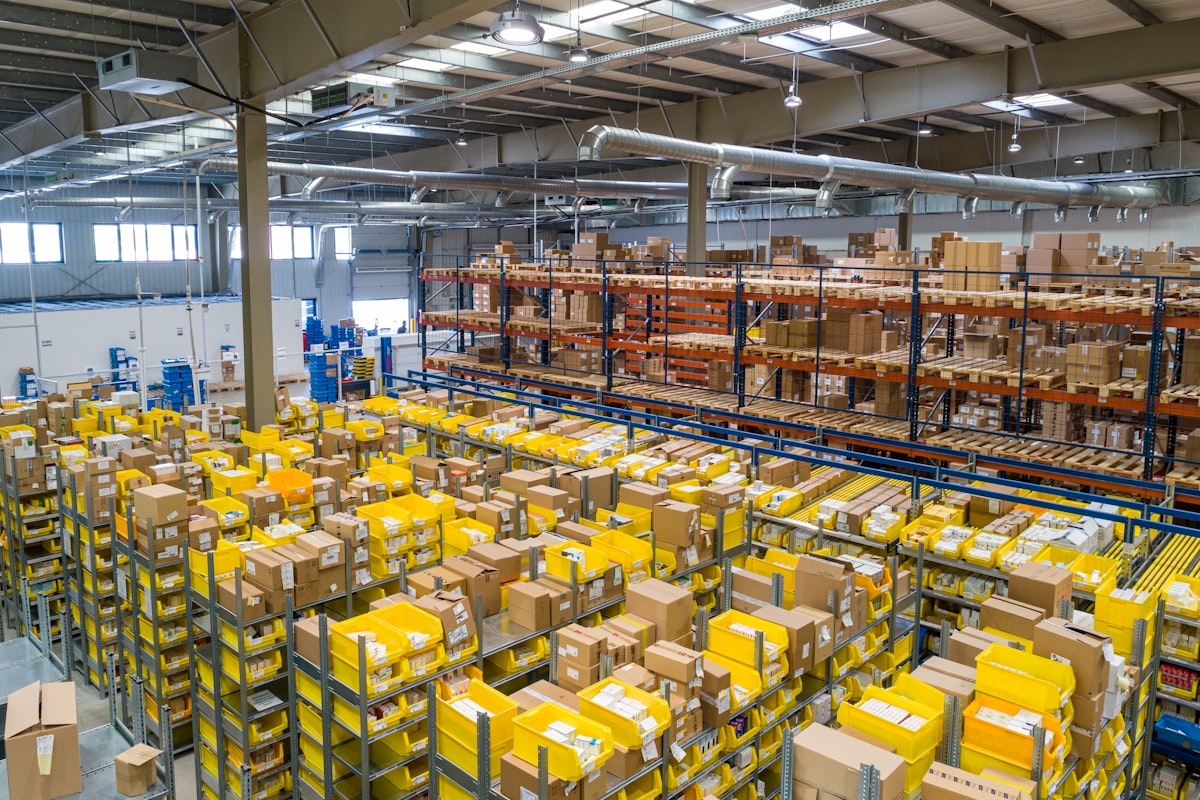
AI-driven warehouse management systems are transforming fulfilment operations. Computer vision systems guide picking robots to the correct location, verify items before packing, and flag mis-picks in real time. AI slotting systems determine the optimal placement of every SKU in the warehouse based on pick frequency, co-pick patterns, and physical characteristics, reducing picker travel distance by 20-40%.
Warehouses that implement AI-driven operations gain up to 15% more effective capacity from the same physical space, without expansion, renovation, or additional headcount.
4. Supply Chain Control Towers and Risk Management
An AI control tower provides real-time visibility across every node of the supply chain, suppliers, transport legs, warehouses, and customer delivery points, flagging exceptions and recommending responses before disruptions escalate into crises. When a supplier ships late, the system does not just report the delay; it models the downstream impact and suggests the best recovery action automatically.
One large distributor using an AI control tower raised fill rates by 8% while reducing the manual effort of exception management significantly. The shift from reactive firefighting to proactive decision-making is one of the most significant operational changes AI enables in supply chain management.
5. Supplier Intelligence and Procurement AI
AI procurement systems continuously monitor supplier performance, financial health signals, and market pricing to identify risks and opportunities before they become urgent. They can flag a supplier whose financial indicators suggest instability months before a supply disruption occurs, giving procurement teams time to qualify alternatives proactively rather than scrambling reactively.
On the pricing side, AI commodity price forecasting helps businesses time purchases to take advantage of price dips and avoid buying at peaks, translating directly into improved margins on raw material costs.
Where Indonesian Logistics Businesses Should Focus First
Indonesia's archipelago geography makes logistics inherently complex and expensive. AI route optimisation across inter-island shipping routes, AI demand forecasting for regional distribution centres, and AI-driven last-mile route planning for dense urban delivery networks are the highest-value starting points for most Indonesian logistics businesses.
The key is to start with a specific, well-defined problem, not try to deploy AI across the entire supply chain simultaneously. Identify the single biggest cost driver or service failure point in your current operations. That is your first AI deployment. Prove the ROI, then expand.