What Just Happened
At the Connect 2026 keynote held today at Meta's Menlo Park campus, Mark Zuckerberg unveiled the company's most concentrated push yet into wearable AI. The headline move: a new Meta Glasses line starting at $299 with Muse Spark AI integration, positioning AI glasses as a mainstream-priced product rather than a premium experiment.
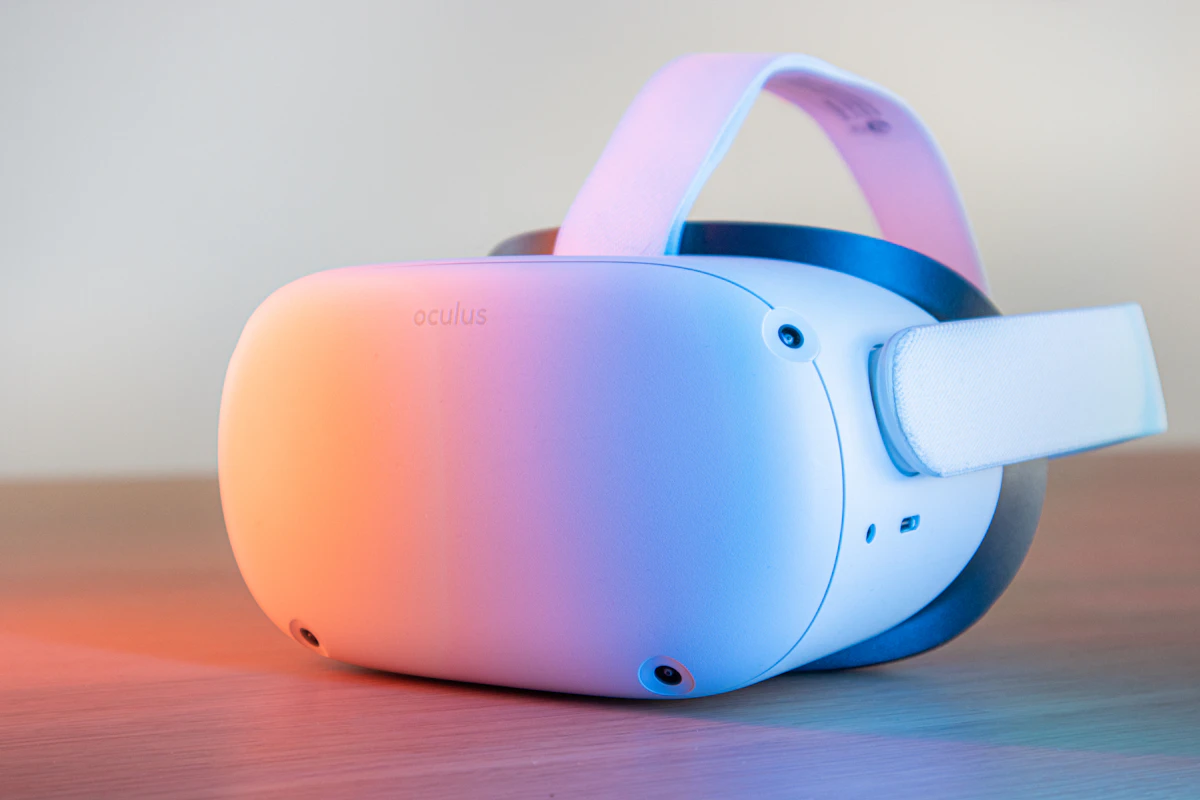
Alongside the entry-level line, Meta introduced Luna, a camera-free, audio-only variant of the Ray-Ban Meta glasses built around six microphones for talking to the AI assistant. Meta also previewed Project Phoenix, an upcoming mixed-reality headset, and announced updates to Muse AI aimed at making the assistant feel like daily utility rather than a novelty.
The Announcements That Matter Most
- A $299 entry price. Pricing AI glasses close to mid-range smartphone accessories signals Meta is aiming for volume adoption, not just early adopters.
- A camera-free option. Luna strips the camera out entirely, directly addressing the privacy objection that has followed every camera-equipped smart glasses launch so far.
- The $800 Ray-Ban Display stays supply-constrained. The display-equipped glasses remain US-only, with their wider rollout delayed due to demand outstripping inventory, a sign real consumer demand exists for this category.
A $299 price point plus a privacy-first, camera-free option is Meta explicitly trying to remove the two biggest objections buyers have raised about smart glasses: cost and camera anxiety. That combination is what actually moves a category from early-adopter gadget to mainstream accessory.
What This Means If You Build on AI
If Meta succeeds at making AI glasses a mainstream accessory, voice-first, always-on AI assistants become a real interface layer alongside the phone screen, not a future hypothetical. Any product, storefront, or content strategy built assuming a screen and a tap is the only interaction model is about to face a second interaction model built around a spoken query and a glanceable response.
What We'd Tell a Client Right Now
Don't rebuild your product for AI glasses today, the install base is still early. Do start asking whether your content, product descriptions, and customer-facing AI features would make sense read aloud by an assistant with no screen in front of the user. That's the design constraint this category is quietly introducing, and it's cheaper to plan for now than to retrofit later.